Did you know over 80% of South African homeowners see outdoor cooking areas as the most valuable upgrade? Building your own custom station is more than a weekend project. It’s an investment in your lifestyle.
Learning how to build a braai table lets you create a durable, functional centerpiece for your backyard. This rewarding endeavor turns your patio into the ultimate spot for social gatherings and family meals.
Our step-by-step braai table guide makes the whole process easy, from planning to safety checks. By following these steps, you’ll build a DIY braai table that lasts and makes outdoor entertaining better.
Key Takeaways
- Understand the essential materials needed for a durable outdoor structure.
- Learn the importance of proper planning to ensure safety and functionality.
- Discover expert tips for selecting weather-resistant wood and finishes.
- Follow a logical sequence to complete your project efficiently.
- Add significant value to your home through high-quality craftsmanship.
Planning Your DIY Braai Table Project
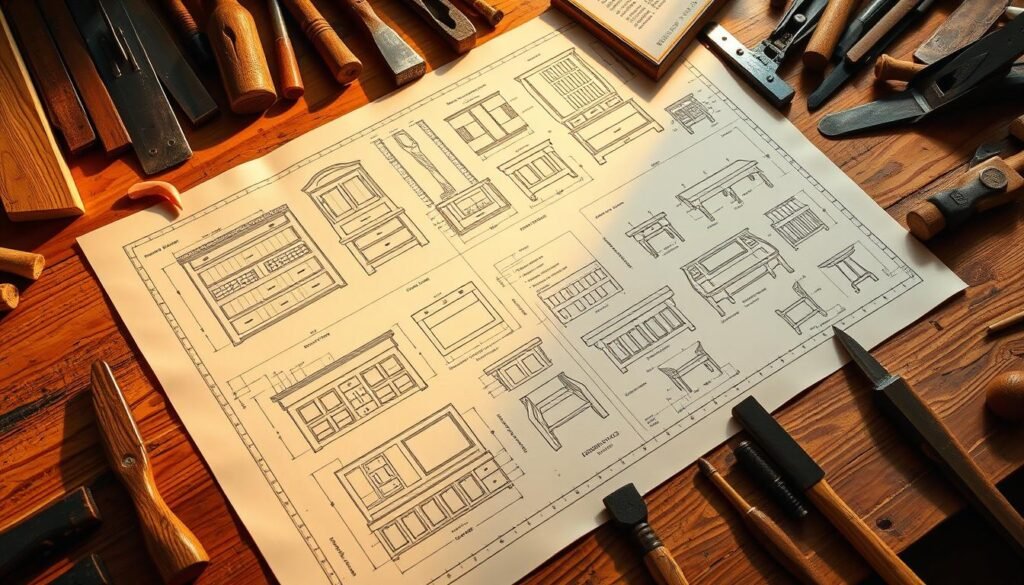
Starting a custom braai station requires a good plan. It should match your space and cooking needs. Making detailed braai table plans helps you see the final product before you start. This step keeps your project organized and efficient.
Determining the Ideal Dimensions for Your Space
Measure your patio or deck carefully to fit the table. You need enough space for the chef and guests. Functionality is key, so think about the table’s height for your cooking style.
A good layout keeps your outdoor area open. An affordable grill table design lets you use your space well without spending too much. Remember to include the braai unit’s size in your measurements.
Selecting the Best Timber for Outdoor Durability
Choosing the right wood is critical for outdoor furniture in South Africa. Hardwoods like Meranti resist rot and insects well. For a budget option, treated pine works if sealed right.
Durability should never be compromised for looks. Quality timber keeps your station strong through weather changes and rain. The right wood is key for a lasting outdoor cooking area.
Essential Tools for the Modern DIY Enthuasiast
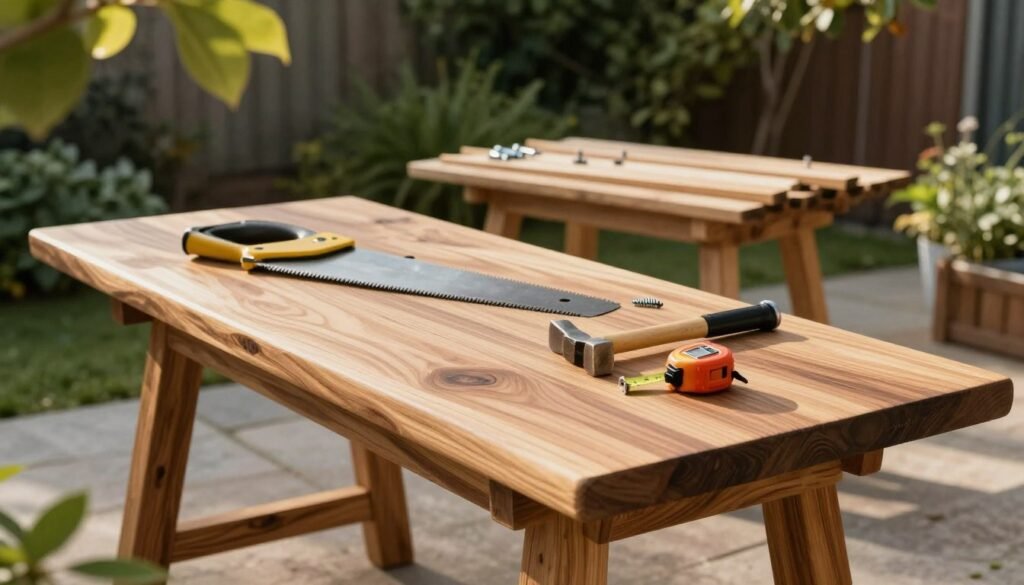
Having the right tools makes building easier and more precise. You’ll need a tape measure, spirit level, and square for perfect joints. A sharp chisel and strong hammer are also key for adjustments.
Professional tools give your project a clean finish. Whether you’re new or experienced, these basics are vital for your braai table plans. Keeping your tools and workspace organized boosts your efficiency as you create your affordable grill table design.
Preparing Your Workspace and Materials
A well-prepared workspace is key to following homemade braai table instructions easily. Before starting, organize your space and gather all needed supplies. This step prevents frustration and mistakes later.
Sourcing Quality Meranti or Treated Pine
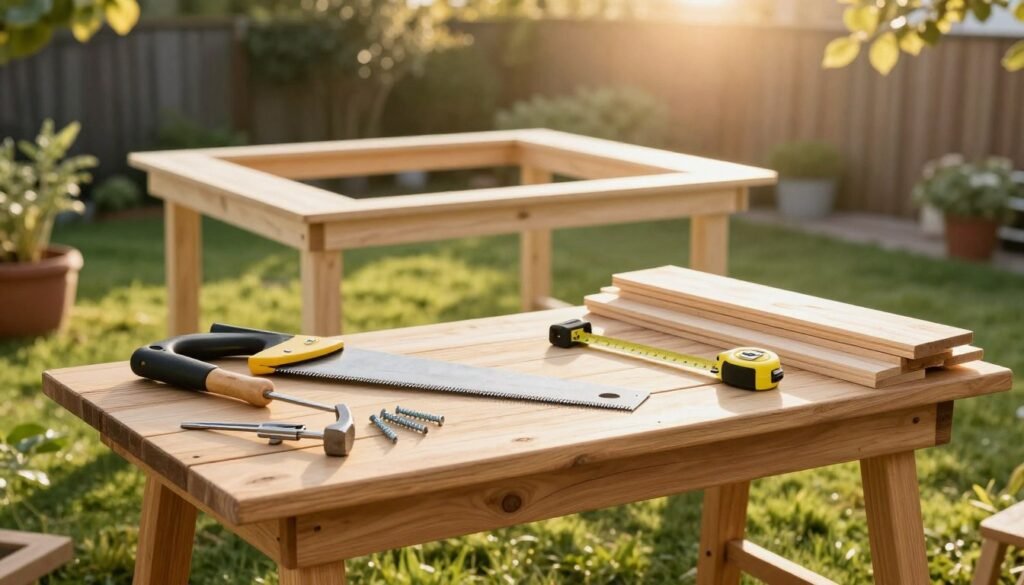
Choosing the right timber is critical for durability in South Africa’s weather. Meranti is known for its natural resistance and beauty. Treated pine is a budget-friendly, durable option. Check your boards for warping or cracks to keep your frame stable.
“Quality is not an act, it is a habit.”
Safety Gear and Workshop Setup
Your workshop should be safe, not dangerous. Always wear safety goggles, dust masks, and sturdy gloves when using power tools. Make sure your area is well-ventilated, which is important for stains or varnishes.
Keep your floor clear of offcuts and sawdust to avoid tripping. A clean workspace helps you focus on precision. Remember, a tidy shop is a safe shop.
Creating a Cut List for Efficiency
Efficiency starts with a detailed plan. A cut list helps you map out every piece of wood needed, reducing waste. This step is critical when following homemade braai table instructions, as it lets you see the assembly before starting.
Organize your list by component, like legs, frame supports, and tabletop planks. This approach ensures you have everything you need, saving trips to the hardware store. Precision in planning results in a better finished product.
How to Build a Braai Table Frame
A sturdy frame is key to a successful braai table. It supports your grill and heavy cooking gear. By focusing on the frame first, your table will be stable and safe for years.
Measuring and Cutting the Structural Legs
Determine the ideal height for your cooking surface. Most prefer a height like kitchen counters to avoid back strain. Precision is vital for an even table.
Mark your timber clearly with a square. Use a sharp saw for clean cuts. Keeping the legs the same length is essential for a professional look.
Assembling the Base Frame with Precision
Create a wooden frame as a guide for your grill kit. This ensures the dimensions match perfectly before assembly. Accuracy at this stage saves significant time later.
“Quality is never an accident; it is always the result of high intention, sincere effort, intelligent direction and skillful execution.”
Use high-quality wood screws and exterior-grade glue for the frame. Pre-drilling holes prevents splitting. Make sure every connection is tight and flush for structural integrity.
Ensuring Squareness and Structural Integrity
Check the squareness of your frame by measuring the diagonals. If they are the same, your frame is square. If not, adjust until it is square before final screws.
Reinforcing the corners with additional bracing adds stability for heavy braai units. This technique ensures your table can handle cast iron pots and charcoal. These steps guarantee a BBQ table that lasts.
Constructing the Tabletop Surface
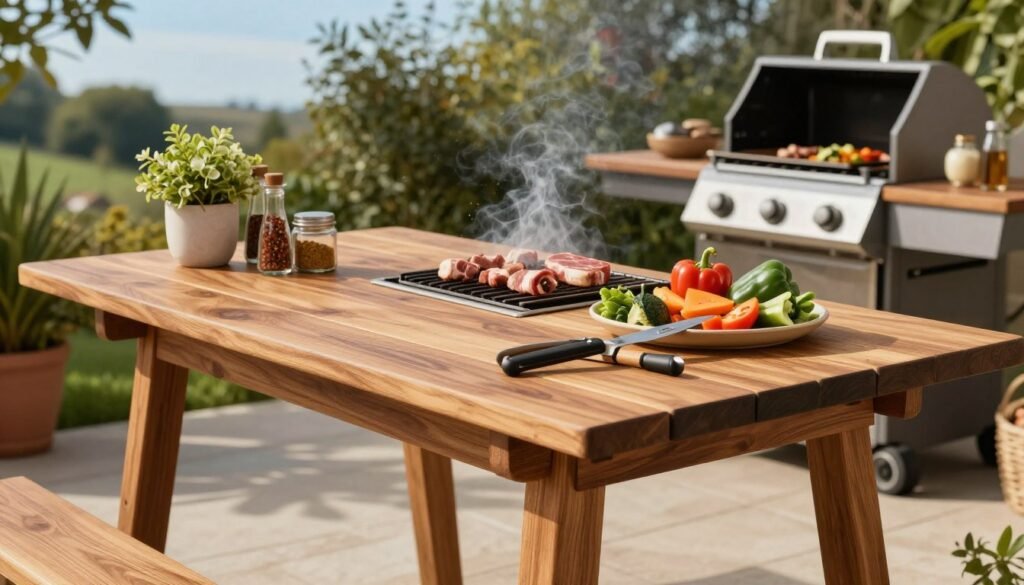
The tabletop is the core of your outdoor cooking table. It needs to be strong and look good. The right materials are key for it to last. Follow these homemade braai table instructions to make a surface that’s both tough and attractive for your backyard.
Selecting Durable Materials for Heat Resistance
Choose hardwoods that resist moisture and heat well. Teak, Balau, or treated Meranti work great in South Africa’s weather. Make sure your wood is sealed well to avoid drying out or cracking in the summer.
Joining Planks for a Seamless Cooking Surface
To make a good workspace, join your planks tightly. Use waterproof glue and pocket hole screws. Be precise to avoid gaps that trap food and make cleaning hard.
Measure your braai grate’s width carefully before placing it. This ensures it fits perfectly in the tabletop cutout. Following your homemade braai table instructions helps avoid mistakes and supports your grill right.
Sanding Techniques for a Professional Finish
Proper sanding gives your table a professional look and feel. Begin with coarse grit sandpaper to smooth out joints. Then, use finer grit for a shiny finish. A smooth surface is easy to clean and looks great.
| Wood Type | Heat Resistance | Durability | Maintenance |
|---|---|---|---|
| Meranti | High | Excellent | Low |
| Treated Pine | Medium | Good | Moderate |
| Balau | Very High | Superior | Very Low |
Installing Shelving and Storage Solutions
Adding custom storage can make your simple braai table construction better. A tidy workspace helps you focus on cooking, not searching for tools. Smart storage turns your backyard into a pro outdoor kitchen.
Adding Lower Shelves for Braai Utensils
Lower shelves are key for a good cooking area. They hold heavy items like charcoal, pots, and cleaning stuff. This keeps your patio dry and clean.
Incorporating Hooks for Tongs and Aprons
Small details matter a lot during a braai. Heavy-duty hooks on your table keep essentials within reach. Here’s where to put your gear:
- Tongs and spatulas: Hang them near the grill for easy access.
- Aprons and towels: Use a hook to keep clothes and towels clean.
- Wire brushes: Hang your grill brush to keep it off the ground.
Designing Compartments for Charcoal and Firelighters
Compartments keep your area clean. They keep firelighters and fuel dry and organized. This detail shows your simple braai table construction is top-notch, perfect for big gatherings.
Integrating Your Braai Unit
A well-integrated braai unit is the heart of your outdoor cooking table. It needs patience and detail to fit perfectly. These steps help keep your setup stable and safe for many gatherings.
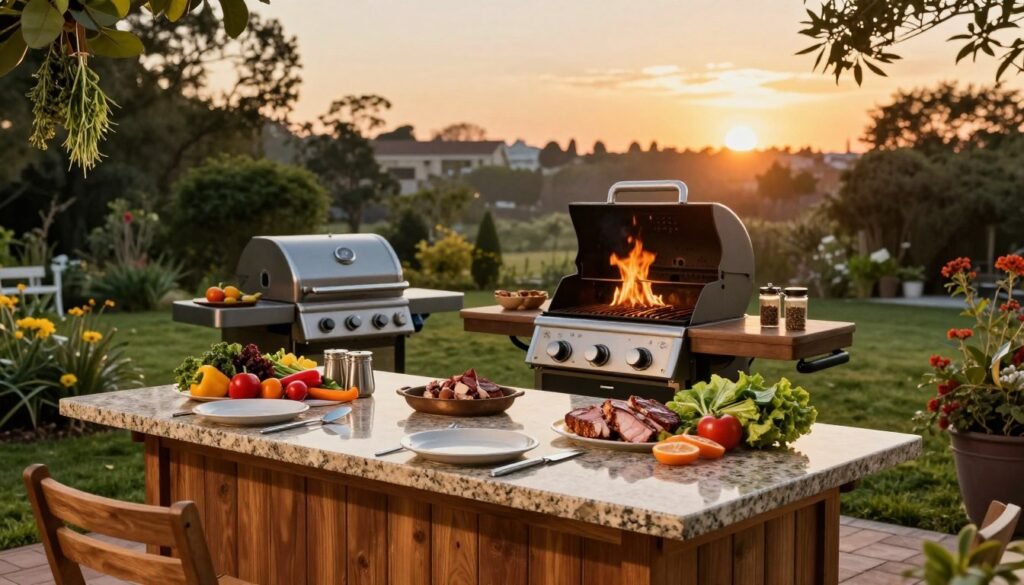
Measuring the Cutout for Your Specific Grill
Check your grill’s size against the manufacturer’s specs before cutting. Most grills come with a cardboard template to help mark. Always measure twice to avoid mistakes on your timber.
- Trace the grill’s outline on the tabletop material.
- Use a jigsaw to cut a bit inside your pencil line for a snug fit.
- Test the fit often and refine the edges with a file or sandpaper.
Reinforcing the Frame to Support Heavy Braai Units
Heavy grills stress your outdoor cooking table structure. Add support beams under the cutout to prevent bowing or sagging. Use galvanized steel brackets or timber cross-braces for rigidity.
Make sure these reinforcements are well-attached to the table legs. This spreads the weight evenly, keeping the table stable. Stability is non-negotiable with high-heat cooking.
Ensuring Proper Ventilation and Heat Clearance
Good airflow prevents intense heat damage to your wood. Place the grill grid at least 200mm above the braai’s base. This ensures air flows well and keeps the wood cool.
Also, keep a small gap around the unit. This gap acts as a thermal break, protecting your outdoor cooking table from heat. These safety steps keep your cooking station safe and durable in South Africa’s climate.
Applying Protective Finishes
The weather in South Africa can be tough on outdoor furniture. Without protection, the sun and rain can dry out, crack, or rot your wood. Sealing your project right is key to keeping it safe.
Choosing Between Oils, Varnishes, and Stains
Choosing the right product depends on your desired look and maintenance level. Each option has its own benefits for your wood.
- Oils: They soak deep into the wood, giving a natural, matte finish. This is easy to touch up without sanding.
- Varnishes: They create a hard, protective film. This is great for resisting spills and heavy wear.
- Stains: They add color and highlight the wood grain. But, they usually need a topcoat for full protection.
Applying Weather-Resistant Coatings for South African Climates
For our area’s harsh UV rays, choose UV-resistant products. These keep the wood from turning gray and brittle. Make sure the wood is clean, dry, and dust-free before starting.
Use a good brush or a lint-free cloth for even layers, following the wood grain. Let each coat dry fully before adding more. This builds a strong barrier against moisture.
Maintenance Tips for Long-Term Wood Preservation
Even the best finish will wear down over time. Check your table often for fading or water spots. Regular care keeps your table looking new for years.
Lightly sand and reapply sealant yearly. Fix deep scratches or chips quickly to stop moisture damage. With these steps, your braai table will stay beautiful and functional.
Adding Functional Hardware and Accessories
Adding specialized hardware to your custom braai table makes it more than just a basic build. It turns it into a highly efficient cooking station. The right components can make your workspace feel like a professional kitchen.
Installing Heavy-Duty Castors for Mobility
Adding heavy-duty castors to the base of your table is a great upgrade. It lets you move your heavy wooden structure easily across the patio. Flexibility is essential for adjusting your setup or storing it away during the off-season.
Make sure the castors can handle the weight of your timber and braai unit. Choose models with locking mechanisms to keep the table stable while cooking. This is important for uneven outdoor surfaces.
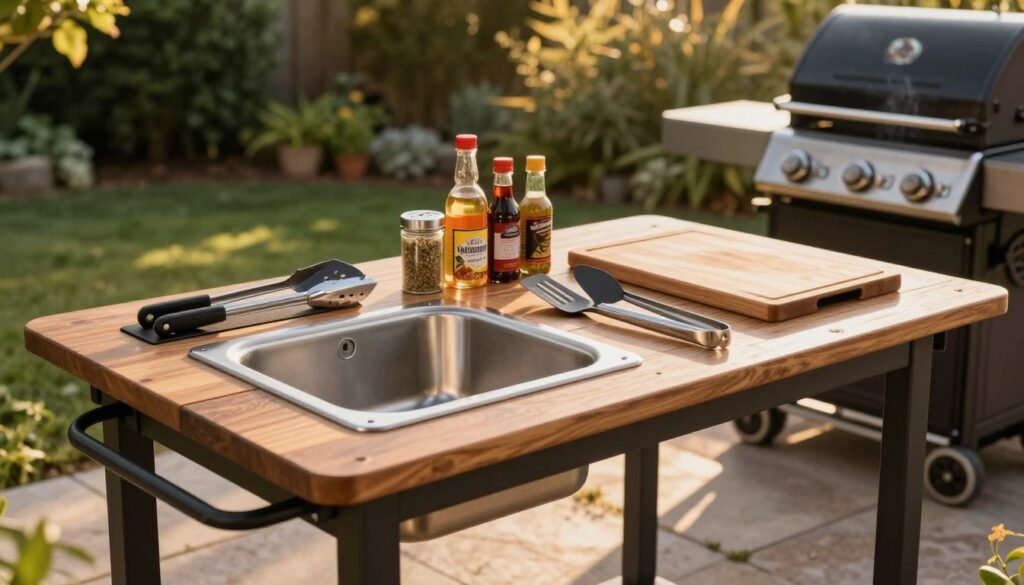
Attaching Bottle Openers and Side Trays
Adding accessories like bottle openers and side trays adds luxury to your outdoor setup. A wall-mounted bottle opener is a must-have feature that saves you from searching for tools while grilling. It keeps your gathering organized and flowing smoothly.
Side trays or fold-down shelves give you extra space for spices, sauces, and prep bowls. These additions help you use your space efficiently. Efficiency is the key to a stress-free braai session.
Customizing Your Table with Decorative Touches
You can also add decorative touches that show off your personal style. Use high-quality stainless steel handles or custom drawer pulls that match your home’s look. These details make the wood look better and feel like bespoke furniture.
Adding decorative corner brackets or branded metal plates can give your table a rugged, industrial look. These elements add strength to the joints and make your table unique. Personalization turns a functional tool into a centerpiece for your outdoor living area.
Advanced Customization Options
To make an affordable grill table design better, add a few smart touches. These can turn a basic wooden table into a top-notch outdoor kitchen. It will meet all your cooking needs.
Adding a Built-in Cutting Board Section
A special area for food prep is key for any grill expert. You can make a part of the table for a removable, food-safe cutting board. This seamless integration keeps your area clean. It also means you can prep your food right next to the grill.
Incorporating a Cooler Box or Ice Bucket
Having drinks close by is a big plus during South Africa’s hot summers. Create a space in the table frame for a stainless steel basin. It acts as an ice bucket. This convenient storage solution means you don’t have to keep going back to the kitchen. You can stay focused on grilling.
Installing LED Lighting for Evening Braais
Don’t let the sun go down and end your party. Add low-voltage LED strips under the table or near prep areas. They give excellent visibility for cooking at night. These lights also make your affordable grill table design look modern. You can watch your food perfectly, even after dark.
Troubleshooting Common Construction Challenges
Even the most skilled DIY folks face surprises when building a BBQ table. Planning well helps, but small problems can pop up during assembly. Quick fixes keep your table safe and working well for years.
Fixing Wobbles and Uneven Surfaces
A wobbly table is not just annoying, it’s also unsafe with hot coals. First, check if your patio or deck is level. You can fix small wobbles by adjusting the leg levels or using shims.
When setting your table on new brickwork or concrete, wait a few days before using it. This lets the surface dry out. Always check the frame’s stability before adding the heavy tabletop.
Addressing Wood Splitting and Expansion Issues
Wood expands and contracts in South Africa’s climate. Small cracks or splits can be fixed with wood filler. For bigger problems, reinforcing with metal brackets helps prevent further damage.
Seal your wood well to protect it from heat and moisture. Regular checks help catch wear and tear early.
Correcting Alignment Errors During Assembly
Fixing alignment mistakes early is easier than later. Always do a dry fit before gluing or screwing. This lets you spot any issues right away.
If you find a mistake after building, take it apart to fix it. Using a square tool helps avoid these problems. Being precise at the start makes your project look professional.
| Common Issue | Primary Cause | Recommended Fix |
|---|---|---|
| Table Wobble | Uneven floor or legs | Use shims or adjustable feet |
| Wood Splitting | Moisture or heat stress | Apply filler and add brackets |
| Misalignment | Poor initial measurement | Re-measure and dry fit parts |
Safety Best Practices for Outdoor Cooking
Outdoor cooking should never risk your home’s safety. A custom wooden braai table is a beautiful garden centerpiece. But, it needs a disciplined approach to fire management. Smart habits make the braai experience safe and enjoyable.
Fire Safety Protocols for Wooden Tables
Working with timber structures means strict fire safety before lighting the first coal. Always have a fire extinguisher or a large bucket of dry sand nearby. These tools are key for controlling small fires before they damage the wood.
Constant vigilance is your best defense against accidents. Never leave a lit braai alone, not even for a second. If you see scorching on the wood, fix it right away with a heat-resistant barrier or adjust the grill grate.
Maintaining Safe Distances from Flammable Materials
The braai table’s placement is key to fire prevention. Keep it far from flammable things like curtains, dry grass, or wooden fences. A three-meter clearance is a good rule to avoid stray sparks starting fires.
Think about the wind direction in your garden when picking a spot. Positioning your setup away from trees or patio covers lowers fire risk. Clearing the area around your table also helps keep it safe.
Proper Disposal of Ash and Embers
Cleaning up after a braai is as important as cooking. Many fires start from hot ash in plastic bins or near dry plants. Make sure all ash and embers are completely cooled before moving them.
Use a metal container for disposing of spent coals. Metal won’t catch fire and keeps your deck or storage area safe. These steps ensure your outdoor space is ready for the next gathering.
Conclusion
Building a custom cooking station turns your backyard into a place for friends and family to gather. This guide helps you make a sturdy piece of furniture that lasts long.
Choosing quality materials and following the assembly steps carefully is key. Now, you know how to take care of your woodwork and keep your grill area safe for all your weekend gatherings.
Sharing meals with loved ones makes all the hard work worth it. Use this guide to spark your next outdoor project. Your new setup is ready for the first fire of the season.
Be proud of the craftsmanship in your garden. Invite your neighbors to see how useful your custom design is. Enjoy cooking outdoors with a table you built yourself.