Did you know the local creative economy adds billions to the national GDP each year? Many talented people are now making their hobby into a real woodworking business South Africa can rely on. Turning your garage or spare room into a workshop is a dream for many.
Starting a woodworking business in South Africa is more than just tools and wood. It needs a clear plan and a commitment to quality. By focusing on specific markets, you can create a unique brand.
Success comes from mixing creativity with smart money management. You must see your passion as a real business for growth. With the right plan, your home project can become a successful business that helps your community.
Key Takeaways
- Check your skills and find a profitable niche in the local market.
- Make a dedicated space that follows safety and zoning rules.
- Build a professional brand to attract and keep customers.
- Use a simple accounting system to track your money.
- Choose high-quality materials for products that last.
Understanding the Woodworking Market in South Africa
Starting a woodworking business from home? First, you need to know the local market. The South Africa woodworking industry is moving towards high-quality, local products. This is a great chance for small businesses to grow by focusing on personal service and top-notch craftsmanship.
Overview of the Industry
The local woodworking scene combines old skills with new designs. People are choosing unique, locally made furniture over mass-produced items. This trend helps small workshops that focus on quality over quantity.
Current Trends
Keeping up with South African woodworking market trends is key to staying ahead. Today, buyers want eco-friendly materials and simple designs for modern homes. The main trends include:
- Sustainability: More people are choosing reclaimed wood and local timber.
- Minimalism: Designs that are simple and useful for small spaces.
- Personalization: Customers want pieces made just for them, fitting their home perfectly.
Key Demand Areas
To make a successful business, find out where people want what you offer. Look at the best woodworking companies in South Africa to see what’s missing. Right now, there’s a big need for:
- Home office furniture, as more people work from home.
- Outdoor furniture, like patio sets and garden benches.
- Custom storage solutions to keep homes tidy.
Understanding these trends helps you place your brand right. By targeting these areas, your woodworking business can stay relevant and profitable.
Benefits of Starting a Woodworking Business
Many South African artisans find joy in turning their hobby into a business. This move brings both emotional and financial rewards. The South Africa woodworking industry is changing, with small makers doing well by selling unique, handcrafted items to a local market.
Creative Expression
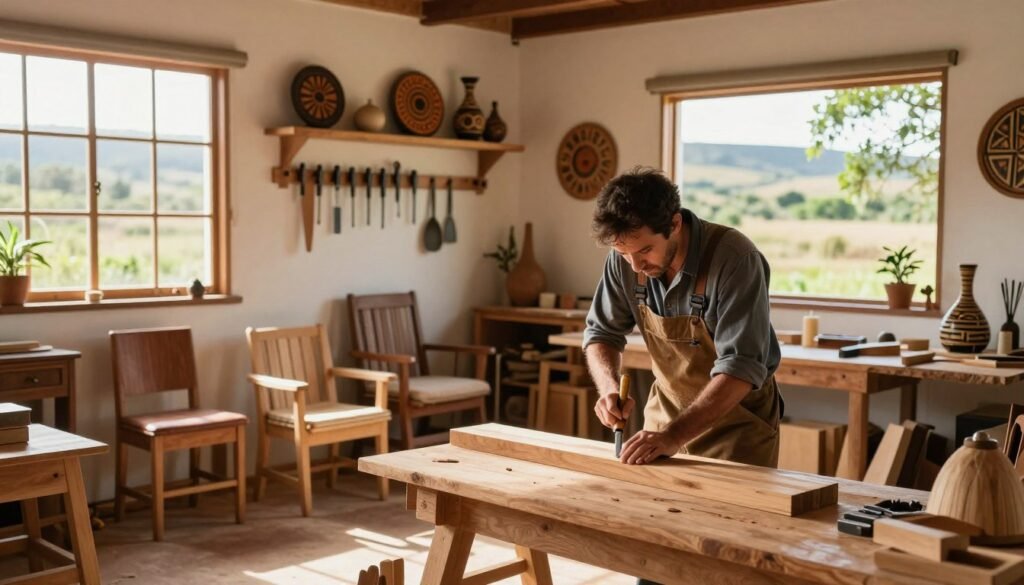
One big plus of this trade is bringing your vision to life. You’re not just making things; you’re crafting stories with wood. This freedom lets you create a unique style that stands out from mass-produced furniture.
Flexibility and Work-Life Balance
Working from home gives you full control over your schedule. You can manage work and family life without the stress of a commute. This freedom is key for many entrepreneurs who value personal well-being and their work.
Financial Opportunity
The South Africa woodworking industry has big chances for those who price their work right. By making high-quality, custom pieces, you can charge more. As your reputation grows, so does your income, keeping your quality high.
| Benefit Category | Primary Advantage | Impact on Business |
|---|---|---|
| Creative | Artistic Freedom | High Brand Differentiation |
| Lifestyle | Schedule Control | Improved Work-Life Balance |
| Financial | Profit Margins | Sustainable Growth |
Choosing to join the South Africa woodworking industry means committing to your craft and future. By using these key benefits, you can create a career that’s both rewarding and profitable.
Identifying Your Niche in Woodworking
Looking into woodworking business opportunities in South Africa means knowing your strengths well. Picking the right area to focus on lets you offer woodworking services in South Africa that meet certain needs. This way, you can become known for being great in a specific area.
Custom Furniture
Many people want unique, top-quality furniture that store-bought items can’t provide. Making custom furniture lets you charge more and show off your skills. You could specialize in modern dining tables or rustic bedroom sets, both with big growth chances.
Home Decor Items
For those who like working on smaller projects, making home decor items is a good start. This includes things like:
- Handcrafted wooden wall art
- Custom shelving units
- Decorative kitchenware and serving boards
- Personalized wooden gifts
Craftsmanship and Repair Services
There’s also a need for skilled repair and structural work. You might think about focusing on important trade skills that keep places running. These woodworking business opportunities in South Africa can give you steady income.
Some areas to consider include:
- Rough carpentry for structural framing
- Specialized joister and framer work
- Professional roofer support for timber structures
- Restoration and repair of antique furniture
By picking a niche that fits your skills, you set your woodworking services in South Africa up for success. Whether it’s structural carpentry or fine furniture design, being consistent is key to keeping customers coming back.
Essential Tools and Equipment for Woodworking
Your workshop is the heart of your business. Getting it right is key to success. Quality gear is a long-term investment in your craft.
Machining Tools
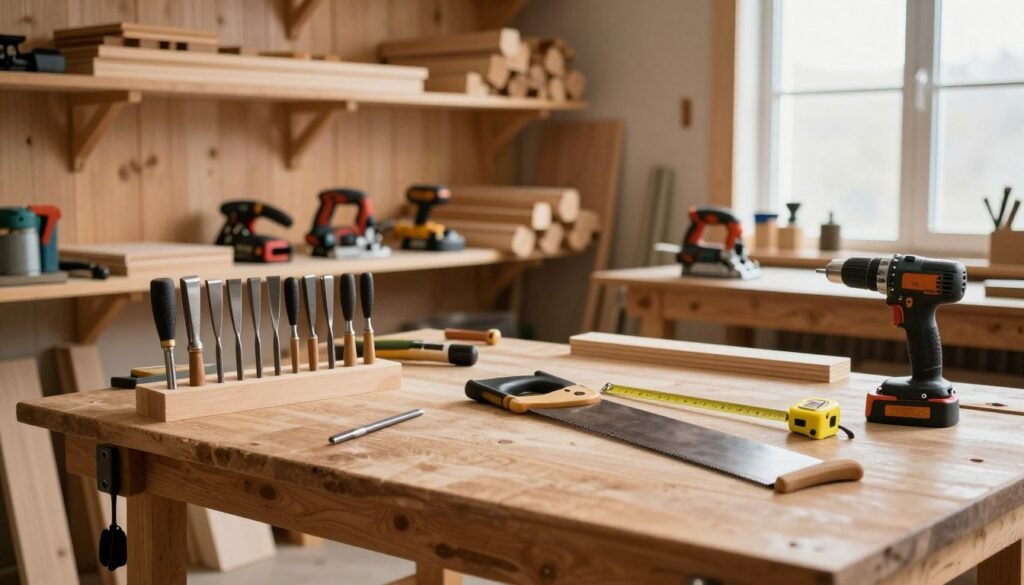
Heavy-duty machinery is essential for serious woodworking. It helps you turn raw timber into precise parts quickly and accurately.
Choose established suppliers for your main tools. For example, GFP Machines has 26 years of experience. They offer the support and maintenance you need to meet your goals.
- Table saws for accurate ripping and cross-cutting.
- Planers and thicknessers to ensure uniform board dimensions.
- Band saws for detailed curves and resawing.
- Dust extraction systems for a clean environment.
Hand Tools
Hand tools add the finesse and control needed for top-notch craftsmanship. They help you create unique details that set your brand apart.
Having a good set of manual tools is vital for finishing and detailed joinery. Look for durable, ergonomic tools to make long work sessions comfortable.
- Chisels for precise joinery and carving.
- Hand planes for smoothing surfaces and squaring edges.
- Measuring and marking tools, such as squares and calipers, for accuracy.
- Clamps of various sizes for secure assemblies during glue-ups.
Safety Equipment
Safety is a must in woodworking. It protects you and your team from the dangers of high-speed blades and dust. Proper gear is a must for every workshop.
Creating a safety-first culture is vital. Regular use of safety equipment shows you care about your team’s well-being.
- High-quality safety glasses or face shields to protect against flying debris.
- Respiratory protection, such as N95 masks or respirators, to filter fine wood dust.
- Hearing protection, including ear muffs or plugs, to reduce noise from machinery.
- Fire extinguishers rated for wood and electrical fires, kept in easy-to-reach spots.
Setting Up Your Home Workshop
Your home workshop is the core of your creative work. Setting it up right is key for any South African woodworker. A tidy space boosts your productivity and lets you make top-notch furniture and decor.
Before moving big machines into your garage or spare room, think about the realities of running a business at home. Good planning keeps your workspace profitable, not stressful.
Choosing the Right Space
Finding the perfect spot for your workshop is more than just picking a corner. You need to check if your tools fit, if there are enough power outlets, and if it’s easy to move stuff in and out.
It’s very important to check noise levels with your local government. Many places in South Africa have rules about industrial noise in homes. Getting this sorted early can avoid trouble with neighbors.
Layout and Organization Tips
A good layout saves time and keeps tools handy. Aim for a logical workflow that moves smoothly from start to finish.
- Zone your workspace: Keep heavy machinery away from clean areas to avoid dust.
- Vertical storage: Use wall racks and pegboards to keep tools organized and off the floor.
- Mobile bases: Add casters to big machines to free up space when not in use.
Essential Workshop Safety Measures
Safety is always first to protect your business and health. A messy workshop is a hazard. Keep floors clear to avoid accidents.
Always choose the best Personal Protective Equipment (PPE), like goggles, masks, and ear protection. Also, have a fire extinguisher ready for wood and electrical fires near the entrance.
“A clean, organized workshop is the hallmark of a professional craftsman who respects both their tools and their trade.”
Legal Requirements for Starting a Business in South Africa
Before you start your woodworking business in South Africa, you need to know the legal rules. These rules help your business run smoothly and protect it from problems later. Having a strong legal base lets you focus on your craft and build a good reputation.

Business Registration
The first thing to do is register with the Companies and Intellectual Property Commission (CIPC). This makes your business official and separate from your personal life. It also protects your personal assets from your business debts.
Licensing and Permits
To run a professional workshop, you need more than just tools. You must follow industry standards. Getting a COID letter of good standing is key for working with big clients or the government. You also need to register on the Central Supplier Database (CSD) for government contracts.
Your skills must be proven too. It’s best to have formal trade tests or apprenticeships. These show you’re qualified and build trust with your customers.
Tax Obligations
Following the South African Revenue Service (SARS) rules is essential. You must register for income tax and might need to register for VAT too. Keeping good financial records helps with taxes and avoids fines.
Sourcing Materials for Your Woodworking Projects
Finding reliable woodworking business resources in South Africa is key for your workshop’s success. The quality of your work depends on the materials you use. Building strong supplier relationships keeps your inventory consistent and top-notch.
Local Supply Options
South Africa has many local sawmills and timber merchants for all makers. Visiting them lets you check the wood’s quality before buying. Building a rapport with local suppliers can get you better prices and access to the best wood.
Online Resources
Online platforms have made finding special hardware and timber easy. Many woodworking business resources in South Africa are now online, delivering to your workshop. These sites are great for finding unique veneers, high-end finishes, or tools not found locally.
Sustainable Sourcing Practices
Today’s buyers care about the environmental impact of what they buy. Using sustainable sourcing practices boosts your brand’s image and attracts eco-aware customers. Choose suppliers with timber certified by trusted forestry groups to ensure it’s harvested right.
Opting for reclaimed wood or fast-growing, local species also helps the planet. Transparency about where your materials come from can be a big plus for your business. Sustainable choices make your products unique and valuable, while helping the environment.
Marketing Strategies for Your Woodworking Business
To stand out among the best woodworking companies in South Africa, you need a solid plan. Your skills are key, but reaching clients is just as important. A good marketing plan can turn you from a hobbyist to a pro.
Building a Strong Brand
Your brand shows who you are and what you make. It’s important to know your style, whether it’s modern or traditional. Keep your logo, colors, and message the same so people know it’s you.
If you want to sell to stores, have a professional plan ready. Stores need this to see if you’re reliable and can make enough. A good plan shows you’re among the top woodworking artisans South Africa values.
“Good design is obvious. Great design is transparent.”
Leveraging Social Media
Visual sites like Instagram and Facebook are great for showing off your work. Share behind-the-scenes stuff to build trust. Talk to your followers to turn them into loyal customers.
Use top-notch photos to show off your work’s details. Post regularly to keep people thinking of you. Share your story to show you’re a quality and transparent craftsman.
Networking and Community Engagement
Local markets and craft fairs are great for meeting people. They let customers touch and feel your work. Plus, you can meet other local businesses for possible partnerships.
Being part of woodworking guilds or business groups keeps you in the loop. Networking is key for the best woodworking companies in South Africa to get steady work. Stay active in your community to grow your business.
Pricing Your Woodworking Products
Figuring out how much to charge for your woodwork needs a close look at costs and market trends. Many artists find pricing their work the hardest part of running a business. By setting a clear financial plan, you keep your business strong and show South African woodworking market trends.
Calculating Costs
To make a profit, you must know your true costs. Start by tracking every expense, like timber, hardware, and finishes. Don’t forget hidden costs like electricity, rent, and tool upkeep.
Labor is key, but often overlooked. Pay yourself fairly for designing, building, and finishing each piece. Not accounting for your time can lead to burnout.
Understanding Market Rates
Studying South African woodworking market trends helps you price right. Look at what similar items cost in local markets and online. This gives you a starting point for your prices.
But don’t just copy the lowest price. If your work is high-quality, your price should show that. Knowing the local market lets you find customers who value authentic craftsmanship.
Implementing Value-Based Pricing
Value-based pricing focuses on what customers think your product is worth. When you make unique, high-end furniture, you’re selling an experience and a piece that lasts. This way, you avoid underpricing common in small businesses.
Here’s a table to help you price a standard project:
| Cost Category | Description | Calculation Method |
|---|---|---|
| Materials | Wood, glue, screws | Actual invoice cost |
| Labor | Time spent crafting | Hourly rate x hours |
| Overhead | Rent, power, tools | Percentage of total |
| Profit Margin | Business growth | Markup percentage |
By using these methods, you keep your profits up and your business healthy. Keeping up with South African woodworking market trends helps you adjust prices as your skills and reputation grow.
Managing Your Woodworking Business Operations
Keeping your woodworking services in South Africa competitive and profitable is key. It’s a challenge to balance creative work with admin tasks. By setting up structured systems, you can keep quality high and meet deadlines.
Inventory Management
Good stock control stops downtime and cuts waste. Use digital spreadsheets or software to track materials. Woodworking business resources in South Africa can help you stay on top of stock levels.
Always have a stock of key materials to avoid delays. Organizing your workshop to focus on fast-selling items saves time.
Order Fulfillment Processes
A clear workflow is essential for timely delivery of woodworking services in South Africa. Create a checklist for each project, from start to finish. This ensures quality in every piece.
Good communication is vital during fulfillment. Keep clients informed to build trust and manage expectations. Reliable delivery schedules show you’re professional.
Customer Relationship Management
Your clients are vital to your business. Strong relationships come from regular follow-ups and personalized service. Keep client preferences and project history for future tailored experiences.
Use a simple database to remember clients’ special days. Personal touches set you apart from big companies. The right woodworking business resources in South Africa help manage these interactions.
| Operational Area | Primary Goal | Key Metric |
|---|---|---|
| Inventory | Reduce Waste | Stock Turnover Rate |
| Fulfillment | On-time Delivery | Average Lead Time |
| CRM | Client Retention | Repeat Purchase Rate |
Growing and Scaling Your Woodworking Business
To build a successful woodworking business in South Africa, you need a clear plan for growth. Look beyond your first workshop to reach new markets and boost profits.
Diversifying Your Offerings
Introducing new products can increase your earnings. Think about adding custom kitchen cabinets or eco-friendly outdoor furniture. These moves help you attract more customers and show off your growing skills.
Digital Market Expansion
Online platforms can help you reach people worldwide. Create a professional website or sell on sites like Takealot or Etsy. This turns your local craft into a global business.
Strategic Industry Partnerships
Working with top woodworking artists in South Africa opens new doors. You can share skills or team up for big projects. These partnerships drive innovation and keep your business leading the industry. Always be open to learning and improving to keep your business growing.